Overview
The Tiger was developed by France and Germany at the end of the Cold War, originally to stop massed tank attacks. It is small and agile, and about 80% of its structure is made of carbon-fibre and Kevlar composites, which keeps it light and hard to detect.
France, Germany, Spain and Australia bought versions for fire support and anti-tank work, and French Tigers have fought in Afghanistan, Libya and Mali.
Specifications
Dimensions
| Length | 14.08 m |
|---|---|
| Wingspan | 13.00 m |
| Height | 3.83 m |
Weights & fuel
| Empty weight | 3,060 kg |
|---|---|
| Max. take-off weight | 6,000 kg |
Performance
| Max. speed | 290 km/h |
|---|---|
| Cruise speed | 230 km/h |
| Range | 800 km |
| Ferry range | 1,300 km |
| Service ceiling | 4,000 m |
Crew & capacity
| Crew | 2 |
|---|---|
| Hardpoints | 4 |
Powerplant
| Engines | 2 |
|---|---|
| Engine model | MTU Turbomeca Rolls-Royce MTR390 |
| Power (each) | 958 kW |
Figures are compiled from public sources and may be approximate; they can vary by variant and configuration.
Armament
- 30 mm GIAT 30 cannon in a chin turret (French HAP/HAD)
- 68 mm rockets
- Hellfire, HOT or PARS 3 anti-tank missiles
- Mistral or Stinger air-to-air missiles
Did you know?
A Tiger prototype is stolen by the villains in the 1995 James Bond film "GoldenEye".
Photos
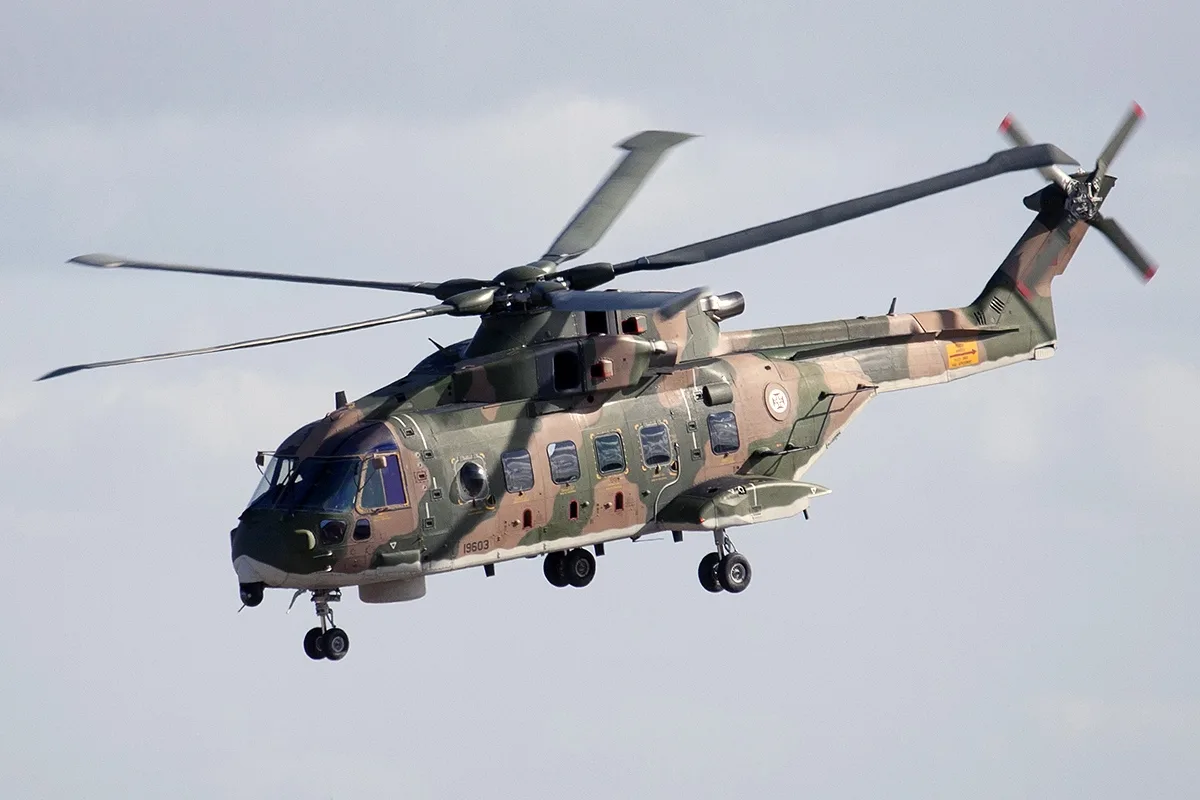
Photo 1: Outisnn / Wikimedia Commons · CC BY-SA 3.0
Some text and images come from Wikipedia / Wikimedia Commons under CC BY-SA licences.