Overview
The 767 was Boeing's first wide-body twinjet, with a two-aisle cabin usually laid out seven abreast. The extended-range 767-300ER became the most popular passenger version and was central to ETOPS — the rules that let twin-engined airliners fly long routes far from diversion airports. In the 1990s it was the most common airliner across the North Atlantic.
Passenger 767s are now being replaced by the 787, but freighter and KC-46 tanker versions have kept the line in production.
Specifications
Dimensions
| Length | 54.94 m |
|---|---|
| Wingspan | 47.57 m |
| Height | 15.85 m |
| Wing area | 283.3 m² |
Weights & fuel
| Empty weight | 90,011 kg |
|---|---|
| Max. take-off weight | 186,880 kg |
| Fuel capacity | 91,380 L |
Performance
| Cruise speed | 851 km/h |
|---|---|
| Max. Mach | Mach 0.86 |
| Range | 11,070 km |
| Service ceiling | 13,100 m |
Crew & capacity
| Crew | 2 |
|---|---|
| Seats (typical) | 269 |
| Seats (max.) | 351 |
Powerplant
| Engines | 2 |
|---|---|
| Engine model | GE CF6-80C2, Pratt & Whitney PW4000 or Rolls-Royce RB211-524H |
| Thrust (each) | 282.0 kN |
Figures are compiled from public sources and may be approximate; they can vary by variant and configuration.
Did you know?
In 1983 an Air Canada 767 ran out of fuel at 41,000 ft and glided to a safe landing at a disused airfield in Gimli, Manitoba — the famous "Gimli Glider".
Photos
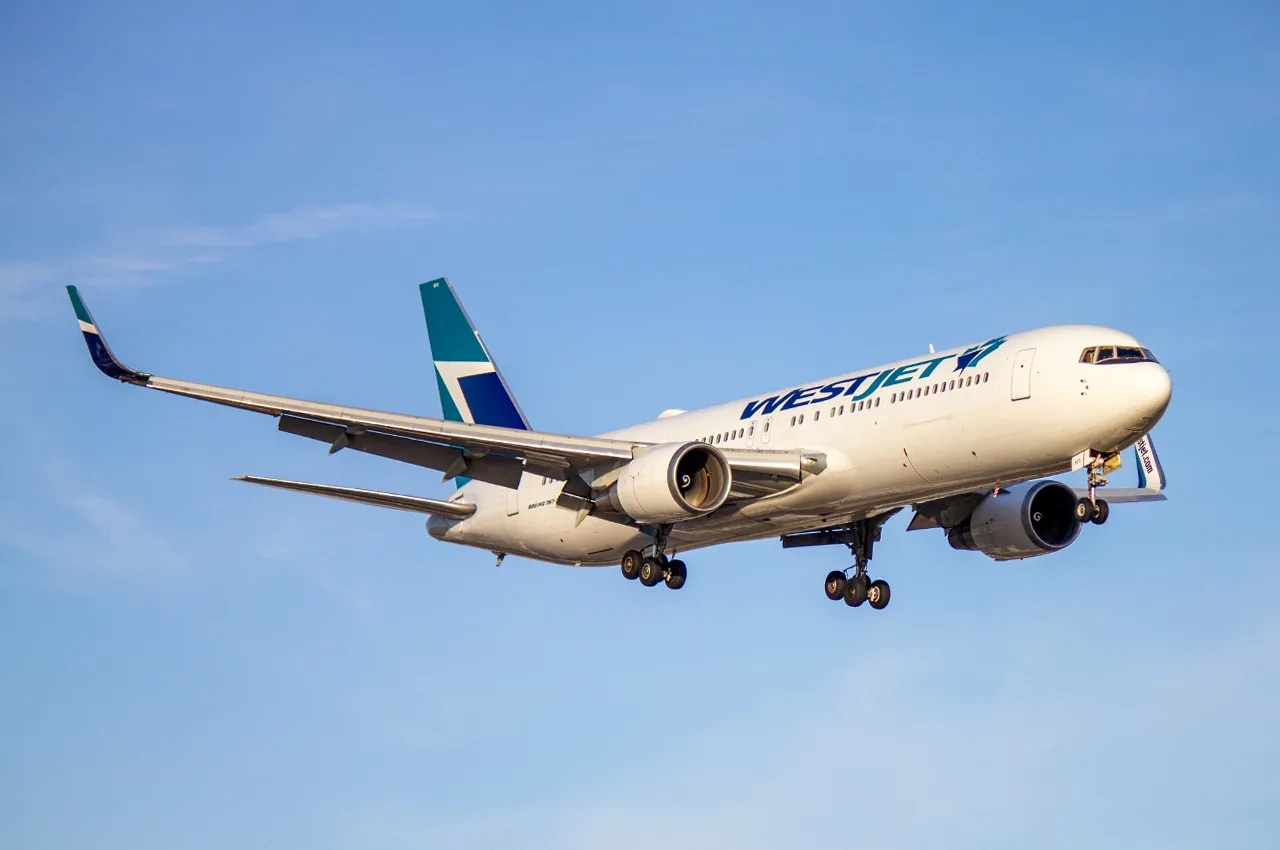
Photo 1: Aaron Davis / Wikimedia Commons · CC BY-SA 4.0
Some text and images come from Wikipedia / Wikimedia Commons under CC BY-SA licences.