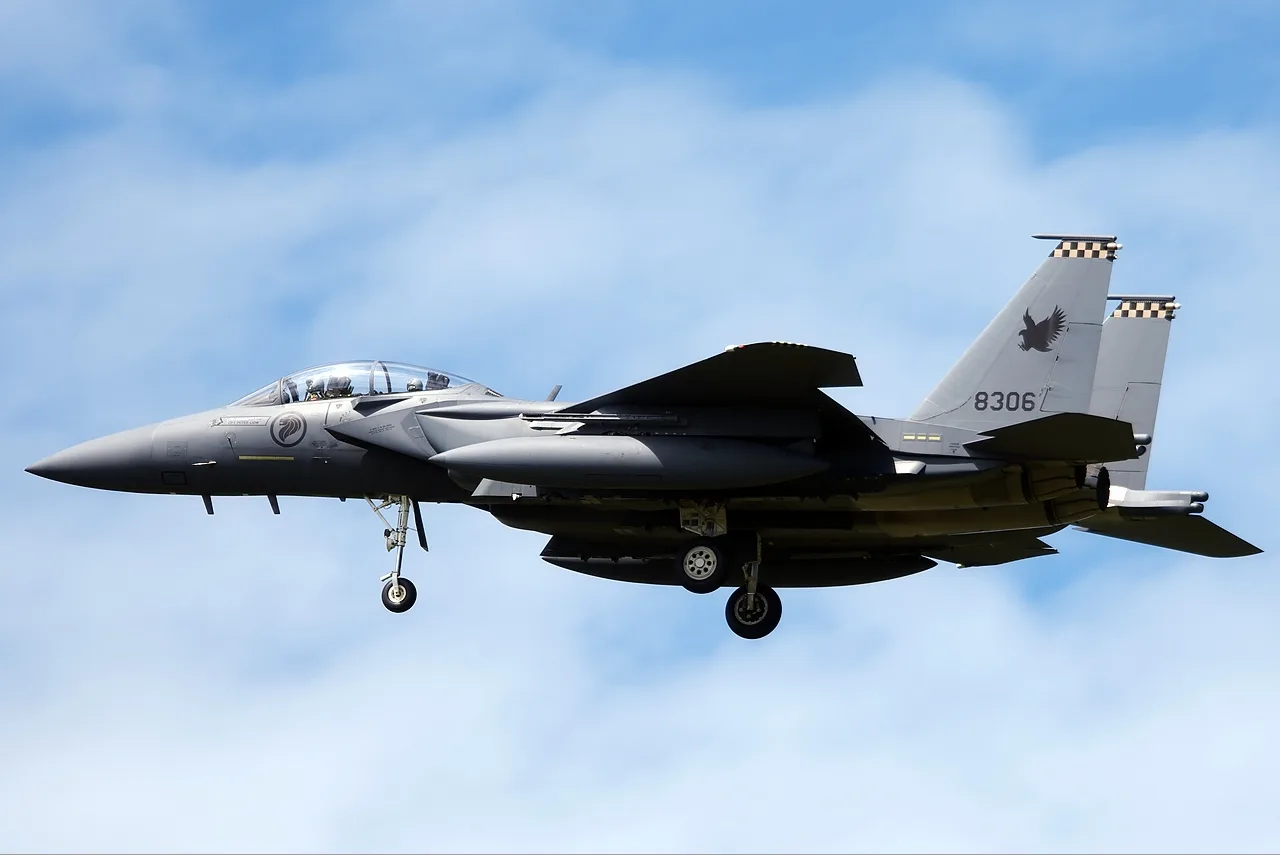
Overview
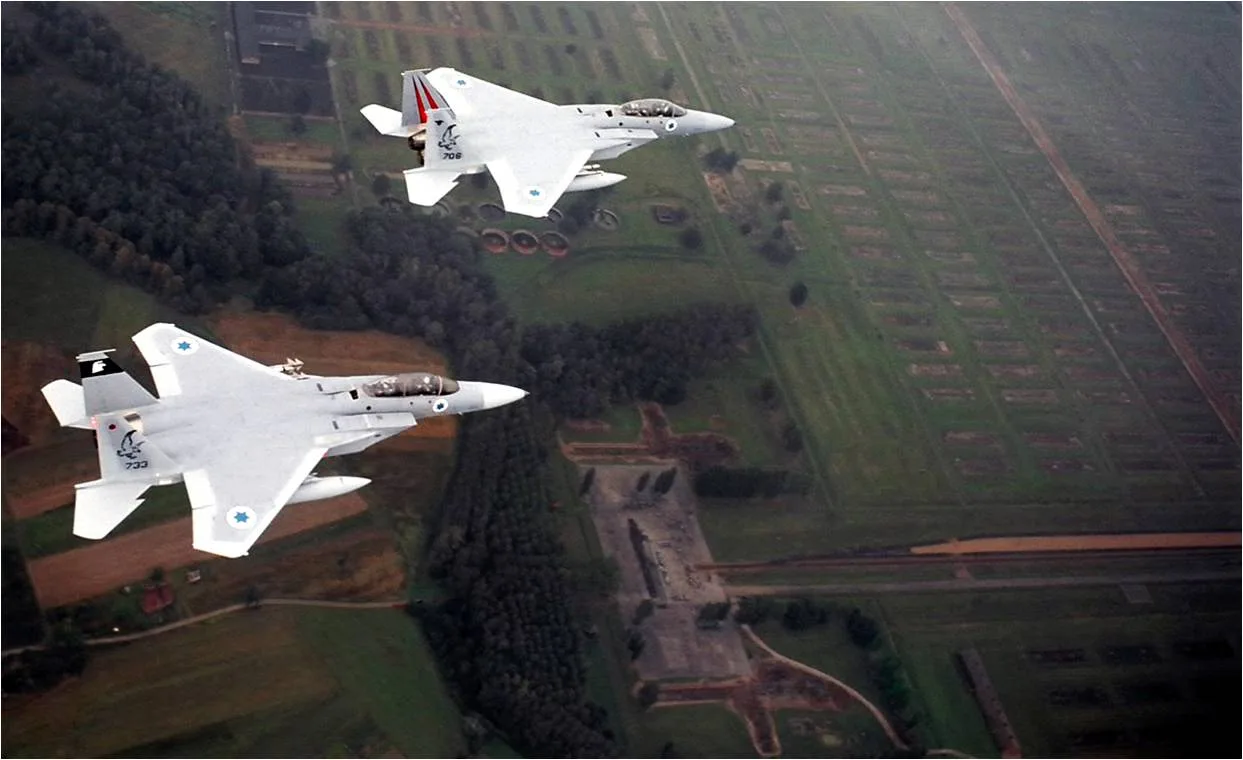
The F-15E Strike Eagle turned the air-superiority F-15 into a two-seat, long-range strike fighter. A weapon systems officer sits behind the pilot, and conformal fuel tanks hug the sides of the fuselage to carry extra fuel without much drag.
It first flew in 1986 under McDonnell Douglas, which merged into Boeing in 1997. It can carry a heavy load of guided bombs deep into enemy territory and still fight its way out. Export versions fly with Israel, Saudi Arabia, South Korea, Singapore and Qatar. The units-built figure is for US Air Force F-15Es only.
Specifications
Dimensions
| Length | 19.43 m |
|---|---|
| Wingspan | 13.05 m |
| Height | 5.63 m |
| Wing area | 56.5 m² |
Weights & fuel
| Empty weight | 14,300 kg |
|---|---|
| Max. take-off weight | 36,700 kg |
Performance
| Max. speed | 2,655 km/h |
|---|---|
| Max. Mach | Mach 2.50 |
| Ferry range | 3,900 km |
| Combat radius | 1,270 km |
| Service ceiling | 18,200 m |
Crew & capacity
| Crew | 2 |
|---|
Powerplant
| Engines | 2 |
|---|---|
| Engine model | Pratt & Whitney F100-PW-229 |
| Thrust (each) | 79.0 kN |
| Thrust with afterburner (each) | 129.0 kN |
Figures are compiled from public sources and may be approximate; they can vary by variant and configuration.
Armament
- 20 mm M61A1 Vulcan rotary cannon
- About 10,400 kg of guided bombs, missiles and pods, including JDAM, laser-guided bombs and AIM-120 missiles
Photos
Photo 1: Eugene Butler / Wikimedia Commons · GFDL 1.2
Some text and images come from Wikipedia / Wikimedia Commons under CC BY-SA licences.